
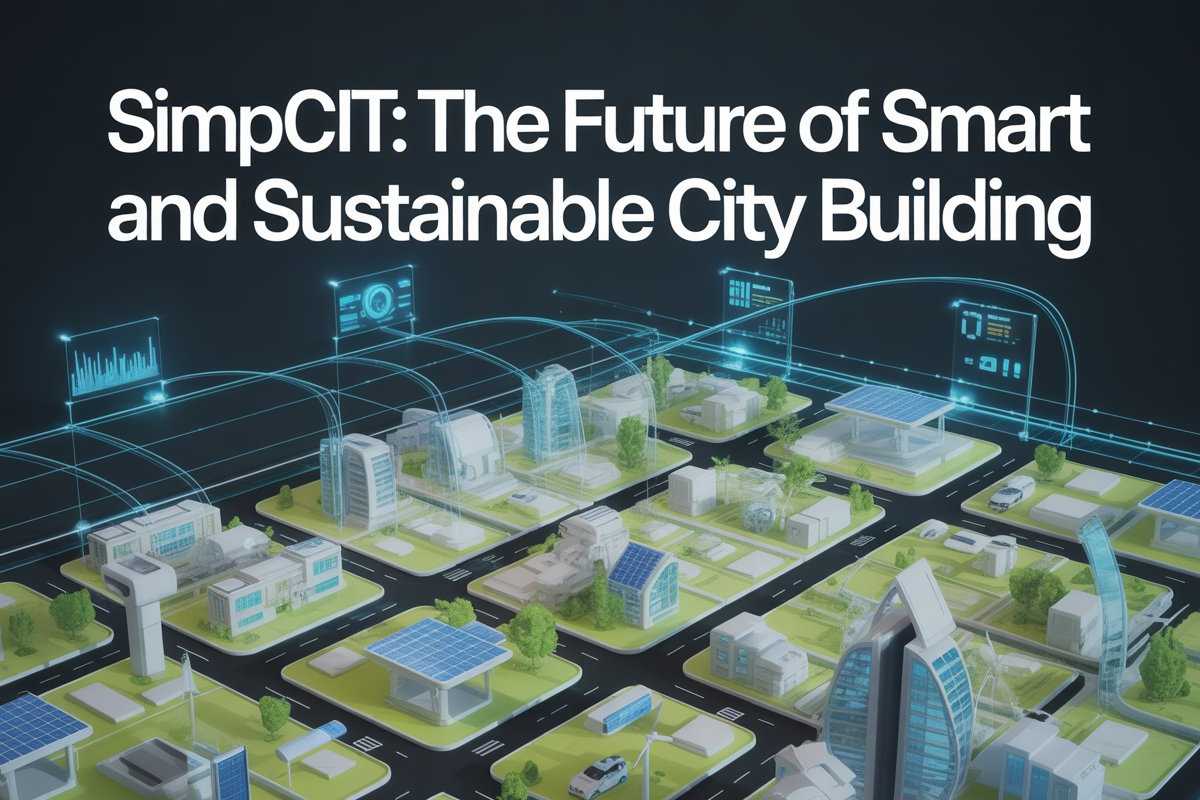
City-building games have always captured the imagination of players who enjoy creativity, strategy, and problem-solving. From managing roads to balancing budgets, these games allow players to experience the challenges of running a modern city.
Simpcit takes this genre a step further by reimagining urban simulation with deeper realism, smarter systems, and a strong focus on sustainability.
Inspired by the legacy of SimCity, Simpcit introduces a modern vision of city building one where cities behave like living ecosystems, citizens react intelligently, and every decision carries long-term consequences.
From SimCity’s Legacy to Simpcit’s Vision
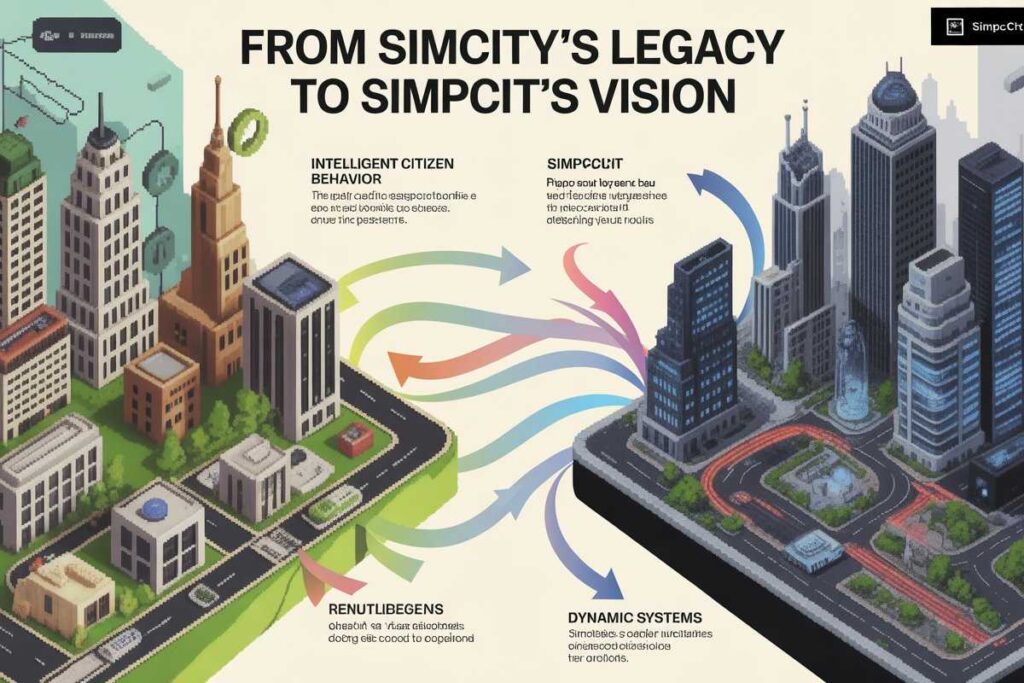
SimCity, created by Will Wright, defined the city-building genre for decades. Titles such as SimCity 2000 and SimCity 4 introduced zoning, taxation, public services, and transportation management, allowing players to think like urban planners.
Simpcit builds on this foundation but moves beyond traditional mechanics. Instead of static populations and predictable outcomes, Simpcit focuses on dynamic systems where cities evolve based on player choices, environmental factors, and citizen behavior. The result is a more realistic and immersive experience that reflects how real cities grow, struggle, and adapt.
What Makes Simpcit Different?
Simpcit stands out by combining creativity with intelligent simulation. It doesn’t just let players build cities it challenges them to understand how cities function as interconnected systems.
Intelligent Citizen Behavior
Citizens in Simpcut are not simple data points. They respond to:
- Job availability
- Housing affordability
- Education and healthcare access
- Traffic congestion and pollution
Their decisions influence migration patterns, economic growth, and social stability, making the city feel alive and unpredictable.
Sustainability at the Core
Modern urban challenges such as pollution, energy demand, and climate impact are central to Simpct’s design. Players must manage renewable energy, waste systems, water supply, and environmental policies to keep cities healthy and productive.
Ignoring sustainability can lead to long-term problems such as population decline, natural disasters, or economic collapse.
Interconnected Cities and Regions
Simpci introduces regional interaction, allowing multiple cities to coexist and influence each other.
Cities can trade resources, share utilities, or specialize in industries such as tourism, manufacturing, or education. This regional approach adds strategic depth and encourages long-term planning.
Gameplay Mechanics and City Management
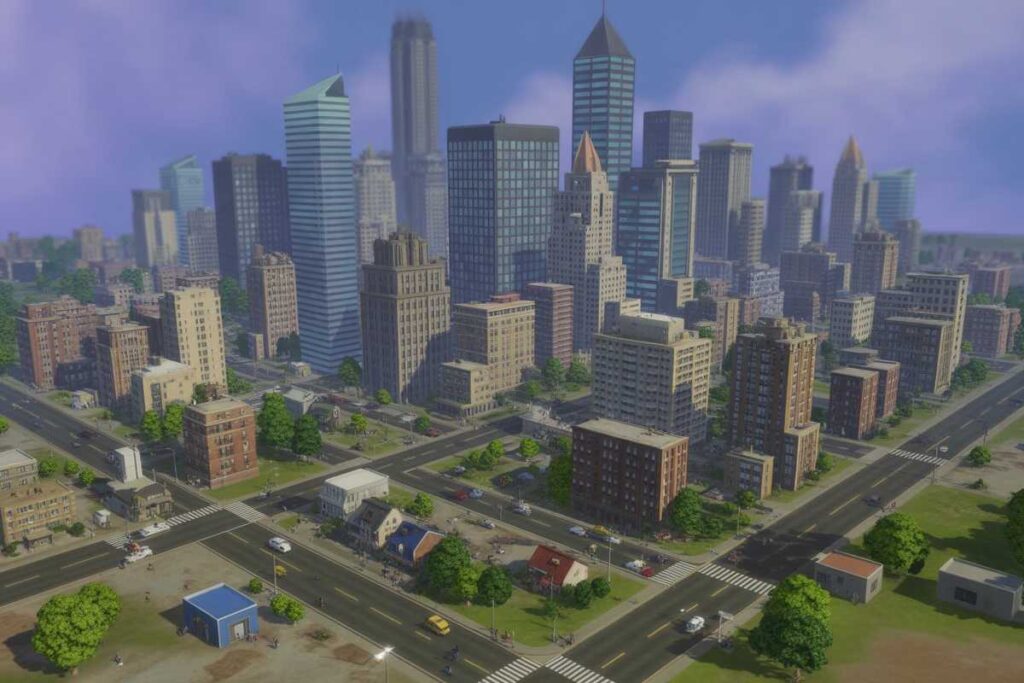
Simpcit starts small, with limited resources and infrastructure. As the city grows, players must balance multiple systems:
- Zoning: Residential, commercial, and industrial areas must remain balanced
- Public Services: Police, fire departments, hospitals, and schools affect safety and happiness
- Infrastructure: Roads, railways, and public transport reduce congestion and improve efficiency
- Economy: Tax policies and trade decisions shape budget stability
Every decision influences citizen satisfaction and city performance, forcing players to think ahead rather than chase quick growth.
Dynamic Challenges and Disasters
Disasters in Simpct are not purely random. Poor planning, environmental neglect, or over-industrialization can increase the risk of floods, fires, or infrastructure failure. Recovery requires smart budgeting, rapid response services, and public trust management.
This cause-and-effect system adds realism and accountability to city management.
Creative Freedom and Game Modes
Simpcit offers multiple ways to play:
- Sandbox Mode: Unlimited resources and creative freedom to design experimental or futuristic cities
- Scenario Mode: Structured challenges focused on real-world issues such as pollution control, population surges, or financial crises
Performance is measured using indicators like happiness levels, sustainability scores, and economic health, rewarding both creativity and strategy.
Visual Design and User Experience
Simpcity blends classic simulation aesthetics with modern visuals. Players can view cities from detailed street-level angles or wide skyline perspectives. Visual cues such as smog, lighting, and traffic flow communicate city health instantly.
The interface provides real-time data, advisor feedback, and analytics dashboards, helping players make informed decisions without overwhelming complexity.
Economy, Society and Policy Systems
Behind the visuals lies a deep economic and social simulation. Employment rates, education levels, healthcare access, and public policies directly influence productivity and citizen behavior.
Players can introduce ordinances, invest in innovation, or promote green initiatives. The challenge is finding balance—maximizing revenue while maintaining public trust and quality of life.
Community, Modding and Long-Term Growth
Simpcity embraces community creativity through modding support. Players can design custom maps, landmarks, and gameplay enhancements, extending the game’s lifespan and replay value.
Regular updates and expansions introduce new technologies, buildings, and challenges, ensuring Simpct continues to evolve alongside its player base.
Simpcit vs Classic SimCity
While SimCity focused on structured simulation, Simpcit emphasizes adaptive realism. Citizens behave dynamically, disasters are often consequence-driven, and sustainability plays a central role.
Instead of managing static populations, players guide evolving societies where every policy shapes the city’s future.
The Future of Simpcit
Simpcit has the potential to grow beyond entertainment. With advanced AI, data modeling, and regional simulations, it could become a tool for education, urban planning concepts, and experimentation.
Future expansions may include smart cities, advanced automation, and global city networks pushing the boundaries of what city-building games can represent.
Final Thoughts
Simpcit represents the next generation of city building simulation. It respects the legacy of SimCity while introducing smarter AI, environmental responsibility and deeper strategic gameplay.
For players who enjoy creativity, management and realism, Simpct is more than a game it’s a vision of how future cities can be imagined, tested and perfected in a digital world.
FAQs
What is Simpcit?
Simpcit is a next-generation city-building simulation game focused on realism, smart systems, and sustainable urban planning.
How is Simpct different from SimCity?
Unlike SimCity, Simpct features dynamic citizens, consequence-based disasters, and deep sustainability mechanics.
Does Simpcit focus on sustainability?
Yes, sustainability is central, including renewable energy, pollution control, waste management, and environmental policies.
How do citizens behave in Simpcit?
Citizens react intelligently to jobs, housing, traffic, education, healthcare, and environmental conditions.
Are disasters random in Simpcit?
No, disasters are often caused by poor planning, pollution, or neglect, making decisions feel realistic.
Does Simpct support regional city interaction?
Yes, players can manage multiple cities that trade resources, share services, and specialize in industries.
What game modes are available in Simpct?
Simpct includes Sandbox mode for creativity and Scenario mode for structured, real-world challenges.
Is Simpcit suitable for learning urban planning concepts?
Yes, its realistic systems make it useful for understanding city management, policy impact, and sustainability.